Bollywood Masala Mix
DV Paluskar was a classicist who sang for the common man
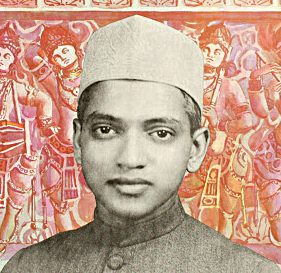
By Mohan D. Nadkarni
Born at Kurundwad, in Kolhapur district, on May 28, 1921, Dattatraya Vishnu Paluskar was the only surviving child of the great Vishnu Digambar, an evangelist of Hindustani music who pioneered cultural revival in northern India in the early years of the century. Young Dattatraya received his training from his father, after whose death he continued his lessons under his cousin Chintamanrao Paluskar, Narainrao Vyas, Vinayakrao Patwardhan and Mirashi Bua until 1952.
Already, at the age of 14, Paluskar had made his mark as a musician of promise when, in 1935, he participated for the first time in the Hari Vallabh Music Conference at Jullundur and in the All-India Music Conference at Calcutta. That was the beginning of his rise to fame. Though he had settled down at Poona, he was on the move quite often. Rarely was there a major music festival in which he did not participate. Besides, he broadcast from various stations of All India Radio regularly since 1938.
Inspiration and hard work combined to make him a musical genius. Behind his command of technique and excellence of interpretation lay years of rigorous discipline, unstinted industry and singular determination. Paluskar was one of those rare artistes who combined classicality with popular appeal, and faith in tradition with a progressive outlook.
Paluskar’s big asset was a compelling and resilient voice. He was a khayal singer. His style was simple and clear, and there was no elusive element in it. His vilambits revealed a serene charm of variety and a refined sense of design, while his druts were specimens of tonal grace and rhythmic elegance.
Paluskar was an impressionist with a difference. The characteristic abandon usually associated with an artistic genius of his calibre was not to be found in him. Acrobatics and contortions of any kind were conspicuous by their absence in his performances. Yet his rendering was spectacular. He thrilled his audiences as much by an economy of gestures as by superb presentation; and that pleased his admirers and intrigued his imitators.
Paluskar was always in his elements, whether in a crowded conference or in a friend’s drawing-room. Such was his versatility that even as he finished with a Bageshri or a Mian Ki Malhar, to the delight of his sophisticated audience, he sensed the boredom of his lay listeners, and quietly switched over to a popular devotional song. He had for his pattern such distinguished musician-saints as Tulsidas and Mirabai and, above all, his worthy father, who, in his time, had swayed the masses as much by the devotional fervour of his music as by his saintly personality. The devoutness of temper and the charm of feeling with which Paluskar sang his soul-elevating bhajans were a paternal inheritance that brought him immense fame and popularity. Here was a classicist who sang for the common man.
The excellence of Paluskar’s performance also lay in his achieving a concord between melody and rhythm. He was a master of a variety of rhythms, and many a time the audience would witness a point-to-point race between the vocalist and his accompanist on the tabla.
Paluskar’s style of singing related to the Gwalior School. But he did not rest content with the tradition he inherited from his forbears. With a characteristic catholicity of temper, he undertook countrywide tours in pursuit of other traditions of the country. The result was a happy assimilation in his singing of many different graces of other gayakis that were in accord with the natural quality of his voice and aesthetic individuality.
Paluksar came in contact with many South Indian musicians, and his performances commanded the admiration of southerners. He had the unique distinction of participating in the music festivals of the South. It was during a festival of Karnatic Music in Bombay in January, 1954, that Paluskar rendered a kriti of Thyagaraja in raag Simhendramadhyama in his own inimitable manner, and evoked a ready applause from his discerning audience.
Paluskar visited China as a member of the Indian Cultural Delegation. Recounting his impressions of the tour, he said; “Like Indian music, music in China was an ancient tradition. However, Western influence on contemporary Chinese music is very much in evidence today.”
Paluskar visited many important towns and cities in China along with other members of the delegation and found that the Chinese people not only evinced keen interest in Indian traditional arts but also seemed to appreciate their subtleties and refinements. He himself chose classical and devotional songs for all his performances. His renderings in Bahar and Mian ki Malhar were very popular with the audiences, and on several occasions he was called on to give repeat performances.
An inveterate optimist, Paluskar was highly appreciative of State patronage to the traditional arts in general and to music in particular. While he conceded the modern methods of teaching music, he emphasised that scholastic education in music ought to create opportunities for every promising artiste for the fullest self-expression. The emergence of film music was, in his opinion, a welcome development in so far as it helped to instill an appreciation of music, of whatever quality, among the masses. He however, insisted that films should take to classical modes for their musical fare. His brief excursion into the world of films, as a play-back singer in Baiju Bawra, may be attributed to his desire to show that classical music could well serve the needs of the cinema.
The writer of this article was a contemporary of Paluskar at school in Poona. If Paluskar’s shy bearing was perplexing to strangers, he endeared himself to his friends by his innate courtesy and ease of conversation in the same way as his art endeared him to his listeners. His sensibility was refined and his judgment generous. There was no callousness or pretence about him and he held contemporary musicians in great esteem.
A man of plain living and clean habits, his recipe for the professionals was regular practice, integrity of character and a practical outlook on life. A devotee of Lord Rama, Paluskar admired Mahatma Gandhi and Vishnu Digambar, his father, whose pictures he always carried with him. To him music was not a mere recreation, but an expression of deep religious faith and devotion, and therefore conducive to peace of mind, if not heavenly bliss.
Paluskar, despite his young age, occupied a place of honour among the great classicists of Hindustani music. Professional tours and his own tender age perhaps afforded him no opportunity to groom disciples after him.
The sudden death of this precious musical gem, at age 34, on October 26, 1955, was truly a national loss, coming as it did at a time when the older generation of giants in music was gradually dying out. Paluskar was an acknowledged pioneer in the post-Independence renaissance of Indian music and represented the new race of young musicians who were worthy of wearing the mantle of the old masters.
Paluskar was survived by his wife, two children, and his aged mother. His music has been silenced forever, but the great artiste left behind indelible impressions on the minds of his listeners. His recordings are all that we have to cherish as memories of his greatness as an artiste.
Born at Kurundwad, in Kolhapur district, on May 28, 1921, Dattatraya Vishnu Paluskar was the only surviving child of the great Vishnu Digambar, an evangelist of Hindustani music who pioneered cultural revival in northern India in the early years of the century. Young Dattatraya received his training from his father, after whose death he continued his lessons under his cousin Chintamanrao Paluskar, Narainrao Vyas, Vinayakrao Patwardhan and Mirashi Bua until 1952.
Already, at the age of 14, Paluskar had made his mark as a musician of promise when, in 1935, he participated for the first time in the Hari Vallabh Music Conference at Jullundur and in the All-India Music Conference at Calcutta. That was the beginning of his rise to fame. Though he had settled down at Poona, he was on the move quite often. Rarely was there a major music festival in which he did not participate. Besides, he broadcast from various stations of All India Radio regularly since 1938.
Inspiration and hard work combined to make him a musical genius. Behind his command of technique and excellence of interpretation lay years of rigorous discipline, unstinted industry and singular determination. Paluskar was one of those rare artistes who combined classicality with popular appeal, and faith in tradition with a progressive outlook.
Paluskar’s big asset was a compelling and resilient voice. He was a khayal singer. His style was simple and clear, and there was no elusive element in it. His vilambits revealed a serene charm of variety and a refined sense of design, while his druts were specimens of tonal grace and rhythmic elegance.
Paluskar was an impressionist with a difference. The characteristic abandon usually associated with an artistic genius of his calibre was not to be found in him. Acrobatics and contortions of any kind were conspicuous by their absence in his performances. Yet his rendering was spectacular. He thrilled his audiences as much by an economy of gestures as by superb presentation; and that pleased his admirers and intrigued his imitators.
Paluskar was always in his elements, whether in a crowded conference or in a friend’s drawing-room. Such was his versatility that even as he finished with a Bageshri or a Mian Ki Malhar, to the delight of his sophisticated audience, he sensed the boredom of his lay listeners, and quietly switched over to a popular devotional song. He had for his pattern such distinguished musician-saints as Tulsidas and Mirabai and, above all, his worthy father, who, in his time, had swayed the masses as much by the devotional fervour of his music as by his saintly personality. The devoutness of temper and the charm of feeling with which Paluskar sang his soul-elevating bhajans were a paternal inheritance that brought him immense fame and popularity. Here was a classicist who sang for the common man.
The excellence of Paluskar’s performance also lay in his achieving a concord between melody and rhythm. He was a master of a variety of rhythms, and many a time the audience would witness a point-to-point race between the vocalist and his accompanist on the tabla.
Paluskar’s style of singing related to the Gwalior School. But he did not rest content with the tradition he inherited from his forbears. With a characteristic catholicity of temper, he undertook countrywide tours in pursuit of other traditions of the country. The result was a happy assimilation in his singing of many different graces of other gayakis that were in accord with the natural quality of his voice and aesthetic individuality.
Paluksar came in contact with many South Indian musicians, and his performances commanded the admiration of southerners. He had the unique distinction of participating in the music festivals of the South. It was during a festival of Karnatic Music in Bombay in January, 1954, that Paluskar rendered a kriti of Thyagaraja in raag Simhendramadhyama in his own inimitable manner, and evoked a ready applause from his discerning audience.
Paluskar visited China as a member of the Indian Cultural Delegation. Recounting his impressions of the tour, he said; “Like Indian music, music in China was an ancient tradition. However, Western influence on contemporary Chinese music is very much in evidence today.”
Paluskar visited many important towns and cities in China along with other members of the delegation and found that the Chinese people not only evinced keen interest in Indian traditional arts but also seemed to appreciate their subtleties and refinements. He himself chose classical and devotional songs for all his performances. His renderings in Bahar and Mian ki Malhar were very popular with the audiences, and on several occasions he was called on to give repeat performances.
An inveterate optimist, Paluskar was highly appreciative of State patronage to the traditional arts in general and to music in particular. While he conceded the modern methods of teaching music, he emphasised that scholastic education in music ought to create opportunities for every promising artiste for the fullest self-expression. The emergence of film music was, in his opinion, a welcome development in so far as it helped to instill an appreciation of music, of whatever quality, among the masses. He however, insisted that films should take to classical modes for their musical fare. His brief excursion into the world of films, as a play-back singer in Baiju Bawra, may be attributed to his desire to show that classical music could well serve the needs of the cinema.
The writer of this article was a contemporary of Paluskar at school in Poona. If Paluskar’s shy bearing was perplexing to strangers, he endeared himself to his friends by his innate courtesy and ease of conversation in the same way as his art endeared him to his listeners. His sensibility was refined and his judgment generous. There was no callousness or pretence about him and he held contemporary musicians in great esteem.
A man of plain living and clean habits, his recipe for the professionals was regular practice, integrity of character and a practical outlook on life. A devotee of Lord Rama, Paluskar admired Mahatma Gandhi and Vishnu Digambar, his father, whose pictures he always carried with him. To him music was not a mere recreation, but an expression of deep religious faith and devotion, and therefore conducive to peace of mind, if not heavenly bliss.
Paluskar, despite his young age, occupied a place of honour among the great classicists of Hindustani music. Professional tours and his own tender age perhaps afforded him no opportunity to groom disciples after him.
The sudden death of this precious musical gem, at age 34, on October 26, 1955, was truly a national loss, coming as it did at a time when the older generation of giants in music was gradually dying out. Paluskar was an acknowledged pioneer in the post-Independence renaissance of Indian music and represented the new race of young musicians who were worthy of wearing the mantle of the old masters.
Paluskar was survived by his wife, two children, and his aged mother. His music has been silenced forever, but the great artiste left behind indelible impressions on the minds of his listeners. His recordings are all that we have to cherish as memories of his greatness as an artiste.
A Bollywood film hitting Indian cinemas on Friday tells the inspirational story of a tribal girl from rural India who became the youngest woman to summit Mount Everest.
Poorna Malavath was 13 years and 11 months old when she planted India's tricolour flag on the top of the world's highest mountain on May 25, 2014.
Malavath's remarkable journey from a remote, backward Adivasi tribal village to the record books inspired filmmaker Rahul Bose to produce, direct and act in the biopic, which is simply titled "Poorna".
"A 13-year-old girl scaling Mount Everest was improbable in itself because here was a poor, uneducated girl from Telangana (state), which does not even have a mound, forget a mountain," Bose told AFP.
The director said he wanted to show the "sheer physical danger" that Malavath put herself through reaching the 8,848-metre summit in Nepal. "But I also wanted to make the film which spotlights what it's like to be a girl, uneducated, Adivasi, and poor. These are four big strikes against a person and to cross these are big hurdles," he added.
Malavath is the daughter of agricultural labourers. Her journey started when she was selected to be part of an extra-curricular rock climbing initiative for tribal schools, run by the state government, which was then part of Andhra Pradesh.
Bose plays R. S Praveen, who started the initiative, and became Malavath's mentor. Praveen and the climbing instructor, who himself had summited Everest, arranged for Malavath and some other children to go to India's mountainous north-eastern state of Darjeeling to improve their skills.
Praveen then decided he wanted to arrange for an Adivasi girl to attempt Everest to inspire tribal families about the potential of their children.
Malavath was chosen and summited along with a teenage Dalit boy called Sadhanapally Anand Kumar. Both were feted by the Indian media on their return.
"There is a line when Poorna says 'girls can do anything'. I would say the message is never give up and that everyone can overcome their own Everest," said Bose.
Poorna Malavath was 13 years and 11 months old when she planted India's tricolour flag on the top of the world's highest mountain on May 25, 2014.
Malavath's remarkable journey from a remote, backward Adivasi tribal village to the record books inspired filmmaker Rahul Bose to produce, direct and act in the biopic, which is simply titled "Poorna".
"A 13-year-old girl scaling Mount Everest was improbable in itself because here was a poor, uneducated girl from Telangana (state), which does not even have a mound, forget a mountain," Bose told AFP.
The director said he wanted to show the "sheer physical danger" that Malavath put herself through reaching the 8,848-metre summit in Nepal. "But I also wanted to make the film which spotlights what it's like to be a girl, uneducated, Adivasi, and poor. These are four big strikes against a person and to cross these are big hurdles," he added.
Malavath is the daughter of agricultural labourers. Her journey started when she was selected to be part of an extra-curricular rock climbing initiative for tribal schools, run by the state government, which was then part of Andhra Pradesh.
Bose plays R. S Praveen, who started the initiative, and became Malavath's mentor. Praveen and the climbing instructor, who himself had summited Everest, arranged for Malavath and some other children to go to India's mountainous north-eastern state of Darjeeling to improve their skills.
Praveen then decided he wanted to arrange for an Adivasi girl to attempt Everest to inspire tribal families about the potential of their children.
Malavath was chosen and summited along with a teenage Dalit boy called Sadhanapally Anand Kumar. Both were feted by the Indian media on their return.
"There is a line when Poorna says 'girls can do anything'. I would say the message is never give up and that everyone can overcome their own Everest," said Bose.
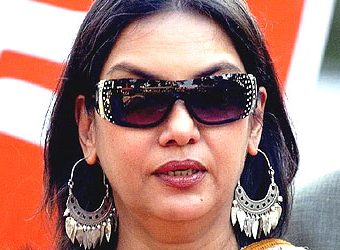
Veteran actress and social activist Shabana Azmi says change should be reflected through mainstream cinema as films are a vital medium of communication.
"Films are a very important medium of communication and I do think if change is to happen in society, then it must be reflected in mainstream cinema because if you are only going to talk about different characters within the parallel cinema or independent cinema, then you are preaching to the already converted," Shabana told IANS over phone from Mumbai.
The need of the hour, as she pointed out, is "to bring these concerns particularly about the women's equality into the mainstream".
The Padma Shri awardee is glad top actresses of Bollywood are willing to take that step.
"I am particularly pleased that this is something that the top female stars of today are taking very seriously and are willing to go that extra mile to work in the film that is significant to say about women," she added.
Praising Bollywood actresses like Vidya Balan, Kangana Ranaut, Deepika Padukone, Priyanka Chopra and Kareena Kapoor Khan, the 66-year-old actress says all of them have been contributing to the cause of women empowerment and she thinks that is helping a great deal.
"I grew up in a family that believed that art should be as an instrument for social change, and my film 'Arth' by Mahesh Bhatt more than 30 years ago continues to be a film that many women claim that they derive inspiration from. I think this is a very healthy trend," added the multiple National Film Award winner.
On the acting front, Shabana is gearing up for the release of ther forthcoming film "Sonata", directed by critically acclaimed filmmaker Aparna Sen.
"Sonata", releasing on April 21, is adapted from the eponymous play by award-winning playwright Mahesh Elkunchwar. The film is the psychological exploration of three unmarried women facing a mid-life crisis.
The English drama revolves around three friends: Aruna Chaturvedi, a professor essayed by Aparna Sen, Dolon Sen, a banker portrayed by Shabana and Subhadra Parekh, a journalist played by Lillete Dubey.
"Films are a very important medium of communication and I do think if change is to happen in society, then it must be reflected in mainstream cinema because if you are only going to talk about different characters within the parallel cinema or independent cinema, then you are preaching to the already converted," Shabana told IANS over phone from Mumbai.
The need of the hour, as she pointed out, is "to bring these concerns particularly about the women's equality into the mainstream".
The Padma Shri awardee is glad top actresses of Bollywood are willing to take that step.
"I am particularly pleased that this is something that the top female stars of today are taking very seriously and are willing to go that extra mile to work in the film that is significant to say about women," she added.
Praising Bollywood actresses like Vidya Balan, Kangana Ranaut, Deepika Padukone, Priyanka Chopra and Kareena Kapoor Khan, the 66-year-old actress says all of them have been contributing to the cause of women empowerment and she thinks that is helping a great deal.
"I grew up in a family that believed that art should be as an instrument for social change, and my film 'Arth' by Mahesh Bhatt more than 30 years ago continues to be a film that many women claim that they derive inspiration from. I think this is a very healthy trend," added the multiple National Film Award winner.
On the acting front, Shabana is gearing up for the release of ther forthcoming film "Sonata", directed by critically acclaimed filmmaker Aparna Sen.
"Sonata", releasing on April 21, is adapted from the eponymous play by award-winning playwright Mahesh Elkunchwar. The film is the psychological exploration of three unmarried women facing a mid-life crisis.
The English drama revolves around three friends: Aruna Chaturvedi, a professor essayed by Aparna Sen, Dolon Sen, a banker portrayed by Shabana and Subhadra Parekh, a journalist played by Lillete Dubey.